
Nutrition During Pregnancy: A Healthy Eating Guide for the Nine Months Journey
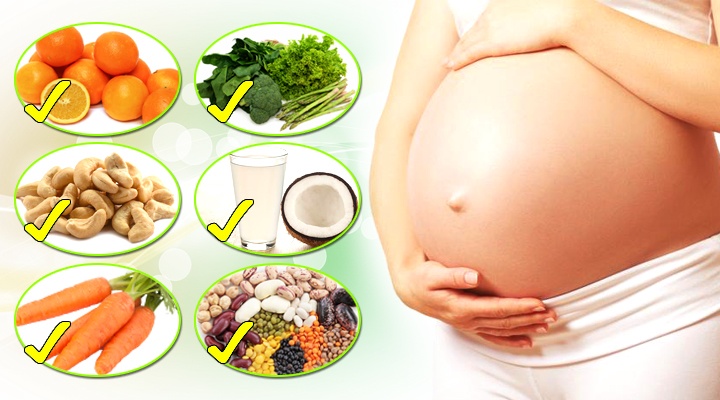
Pregnancy is a miraculous journey in a woman's life, filled with anticipation and excitement as a new life develops within her. During these nine months, proper nutrition plays a crucial role in ensuring the health and well-being of both the mother and the growing baby. A balanced and healthy diet is essential to provide the necessary nutrients, support fetal development, and maintain the mother's well-being throughout this transformative period.
Understanding the Importance of Nutrition during Pregnancy
Nutrition during pregnancy is vital because the developing fetus relies entirely on the mother's diet for nourishment. Adequate intake of essential nutrients like folic acid, iron, calcium, protein, and omega-3 fatty acids is crucial for the baby's growth and the prevention of birth defects. Additionally, a healthy diet helps the mother maintain her energy levels, supports healthy weight gain, and reduces the risk of complications during pregnancy and childbirth.
- The Components of a Healthy Pregnancy Diet:
a. Fruits and Vegetables: These should form the foundation of a pregnant woman's diet. Colorful fruits and vegetables are rich in vitamins, minerals, and antioxidants, promoting a healthy immune system and aiding in the baby's development.
b. Whole Grains: Whole grains like whole wheat, oats, and quinoa are excellent sources of fiber, which aids digestion and prevents constipation—a common issue during pregnancy.
c. Protein: Lean sources of protein like lean meats, poultry, fish, legumes, and tofu provide the necessary building blocks for the baby's growth and help in the development of organs and tissues.
d. Dairy Products: Calcium is essential for the baby's bone development, and dairy products like milk, yogurt, and cheese are excellent sources of this vital mineral.
e. Healthy Fats: Omega-3 fatty acids, found in fatty fish (such as salmon) and nuts, are crucial for the baby's brain and eye development.
f. Iron-Rich Foods: Iron is necessary to prevent anemia in both the mother and the baby. Red meat, leafy greens, and fortified cereals are good sources of iron.
g. Stay Hydrated: Drinking plenty of water throughout the day is essential to support the increased blood volume, maintain amniotic fluid levels, and prevent dehydration.
- Foods to Avoid during Pregnancy:
Certain foods should be avoided or limited during pregnancy due to potential risks they pose to the baby:
a. Raw or Undercooked Meat and Seafood: These may contain harmful bacteria and parasites that can cause foodborne illnesses.
b. Raw Eggs: Raw or partially cooked eggs may contain salmonella, so it's best to avoid them.
c. Unpasteurized Dairy Products: These can also carry harmful bacteria, so opt for pasteurized alternatives.
d. Certain Fish: High-mercury fish (e.g., swordfish, king mackerel) should be avoided, as mercury can harm the baby's nervous system.
e. Caffeine and Alcohol: These should be consumed in moderation or avoided altogether, as they can affect the baby's development.
- Sample Healthy Pregnancy Eating Plan:
Here's a sample meal plan for a day that incorporates all the necessary nutrients:
- Breakfast: A bowl of oatmeal with fresh berries and a glass of low-fat milk.
- Mid-Morning Snack: A small handful of almonds and an apple.
- Lunch: Grilled chicken salad with mixed greens, cherry tomatoes, avocado, and a light vinaigrette dressing.
- Afternoon Snack: Carrot sticks with hummus.
- Dinner: Baked salmon with quinoa and steamed broccoli.
- Evening Snack: Greek yogurt with a drizzle of honey.
- Remember the Importance of Prenatal Vitamins:
While a healthy diet is crucial during pregnancy, it's often challenging to get all the required nutrients from food alone. Therefore, most healthcare providers recommend prenatal vitamins to supplement the diet. These vitamins contain essential nutrients like folic acid, iron, and calcium, which are essential for the baby's development.
In conclusion, maintaining a healthy diet during pregnancy is vital for the well-being of both the mother and the baby. A balanced diet rich in fruits, vegetables, whole grains, protein, and healthy fats, along with prenatal vitamins, can ensure a smooth and healthy pregnancy journey. As always, it's essential for pregnant women to consult their healthcare providers to tailor a nutrition plan specific to their individual needs and medical history.
Comments
Post a Comment